 How-to
At-Home DNA Testing: How the Process Works
Last Updated: November 28, 2026
Quick Summary
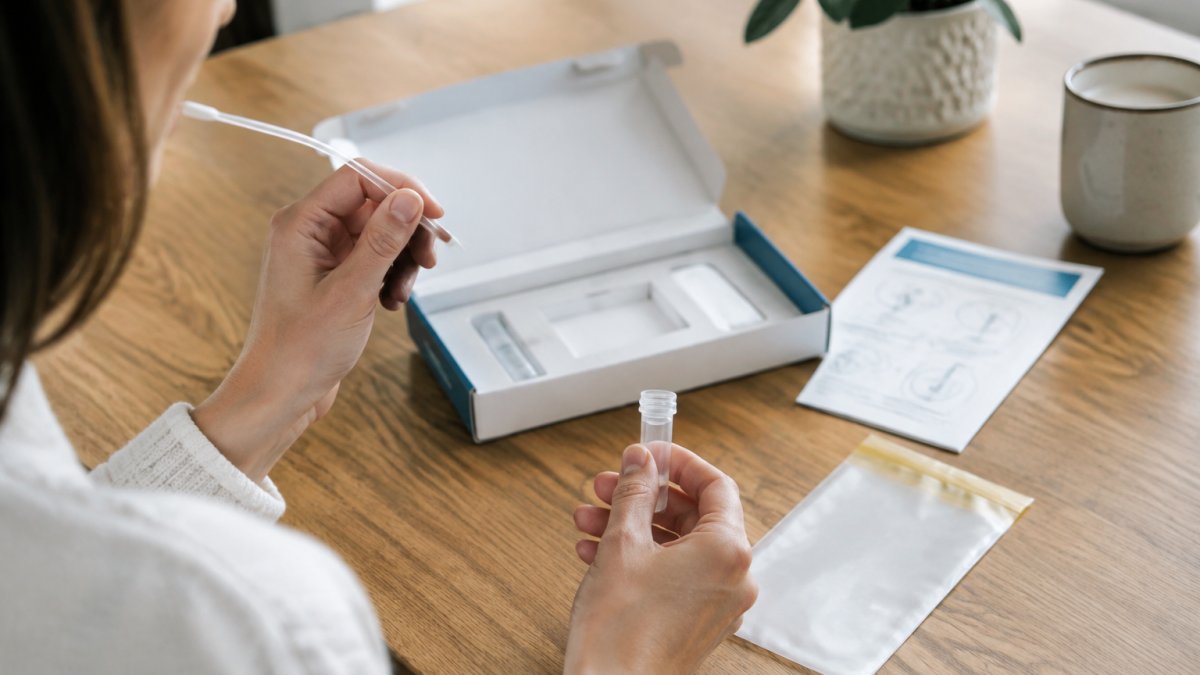
Yes, you can get at-home DNA testing by collecting your own cheek swab and mailing it to a lab. You order and register the kit, swab each cheek firmly, air-dry the sample, and return it in the prepaid mailer with tracking. Results arrive through a secure portal or a mailed report.
- At-home DNA testing means collecting your own sample, usually a cheek swab, and mailing it to a lab.
- Choose informational or legal testing before you order, since the choice changes collection and court usability.
- Legal DNA tests require chain-of-custody collection by a trained collector, not at-home self-collection.
- Sample collection takes 1-2 minutes, and return shipping typically takes 1-3 days in transit.
- Confirm turnaround timelines with the lab before ordering, as they depend on the lab and test type.
Table of Contents
- How At-Home DNA Testing Works, Step by Step
- DNA Testing Father and Child Only: What to Know
- Informational vs. Legal At-Home DNA Testing
- Frequently Asked Questions
How At-Home DNA Testing Works, Step by Step
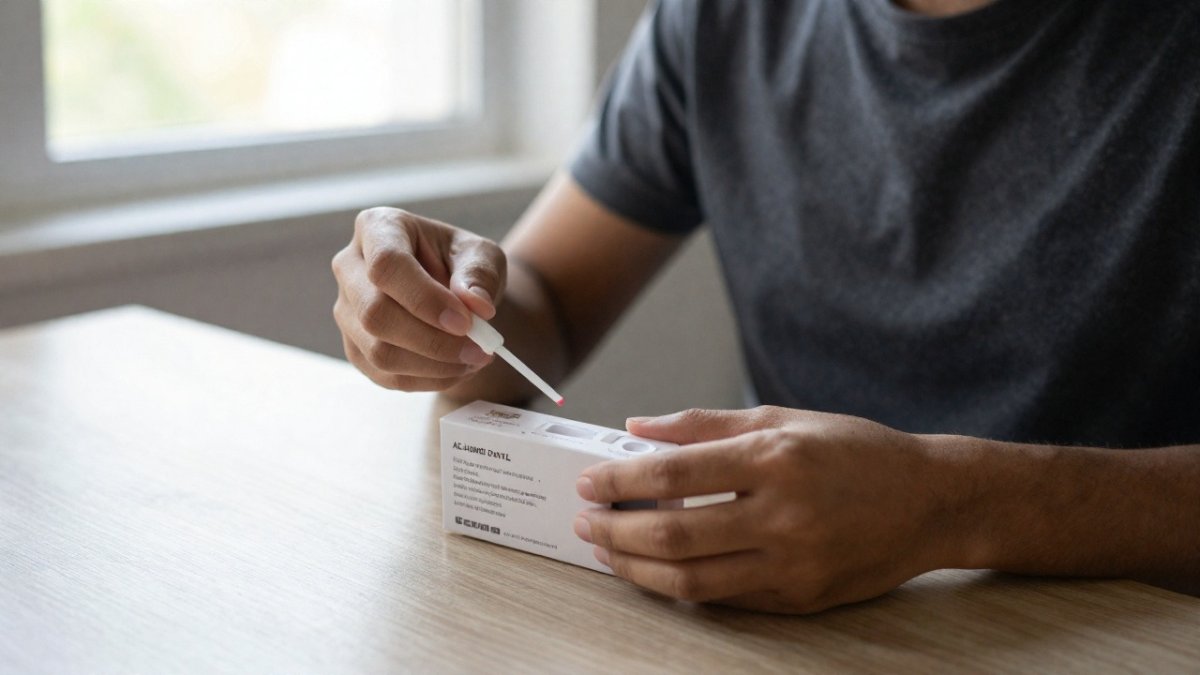
At-home DNA testing means collecting your own sample, usually a cheek swab, and mailing it to a lab. Choose informational or legal, order and register the kit, swab each cheek firmly and air-dry, return it in the prepaid mailer with tracking, then read results via a secure portal or mailed report.
| Step | What You Do | Typical Timing |
|---|---|---|
| Order kit | Choose test type and order | Same day |
| Collect sample | Cheek swab, 1-2 minutes | Day of arrival |
| Return sample | Mail via prepaid envelope | 1-3 days in transit |
Turnaround depends on the lab and test type, so confirm timelines before ordering. Court-admissible results generally require chain-of-custody collection rather than at-home self-collection. Professional DNA analysis with documented handling is available for court-ordered and peace-of-mind testing; for current options and pricing, see the Monitored Life website or request a quote.
DNA Testing Father and Child Only: What to Know
A DNA testing father and child only setup, often called a paternity test, compares the child's DNA with the alleged father's to determine biological parentage. A buccal (cheek) swab gathers cheek cells from adults and children. For an informational test, the mother's sample is often optional; for a legal test, every participant must be identified and collected under chain of custody.
In a paternity dispute, ask upfront whether the test is informational or legally admissible, the answer changes collection and court usability.
Informational vs. Legal At-Home DNA Testing
The biggest decision in at-home DNA testing is informational versus legal, mixing them up is the most common mistake.
An informational test is for personal knowledge: you collect at home, mail it in, and receive results for your own use. It is convenient and private, but not intended for court, immigration, or other official purposes because no one verified identities or documented the chain of custody.
A legal DNA test follows a strict chain of custody: identity is verified, the sample is collected and sealed by a trained collector, and documentation tracks it from collection to lab. Under AABB relationship testing standards, accredited laboratories follow specific procedures for legally defensible testing.
| Feature | Informational Test | Legal Test |
|---|---|---|
| Collection | At home, self-collected | By trained collector |
| Chain of custody | No | Yes |
| Court use | No | Yes |
Watch out: ordering the cheaper at-home kit for a custody case and discovering the report is inadmissible after you have already paid. Confirm the purpose before you order, not after.
Privacy deserves the same attention. Genetic data is sensitive, so read how the laboratory stores samples and who can access results. The Federal Trade Commission's guidance on genetic information explains consumer protections around genetic data, and reputable labs state clearly whether samples are destroyed or retained after testing.
Sorting out which test you need is where most people lose time and money. Monitored Life offers professional DNA analysis, in-office and mobile collection, and documented handling for court-ordered and peace-of-mind testing, serving individuals, families, employers, and attorneys. No appointment is required for in-office visits. To book, visit Monitored Life for current options and a quote.
Frequently Asked Questions
Can an at-home paternity test be used for court?
No. An at-home paternity test is for peace of mind only and is not legally admissible. Legal DNA tests generally involve a documented chain of custody, verified identity, and collection by a qualified professional; check the requirements of your specific court or agency. If your results may be used for custody, child support, or immigration, ask the provider before you collect a sample at home.
Can a paternity test be done with only the father and child?
Yes. DNA testing father and child only is a common single-parent test. The child's sample is compared directly to the alleged father's, and the lab reports whether he is excluded or not excluded as the biological father. The mother's sample is not required, though including it can strengthen the statistical result. Order the test through a provider that explains the consent and identity steps.
How long does it take to get at-home DNA test results?
Turnaround depends on the lab and the test type, so ask your provider for its current timeframe before you order. Most of the wait comes from shipping and lab processing after your sample arrives. You usually receive results online through a secure account. If a result is delayed, contact the provider directly and ask for a status update on your sample.
